

Why Every Commercial Kitchen Needs a Blast Chiller
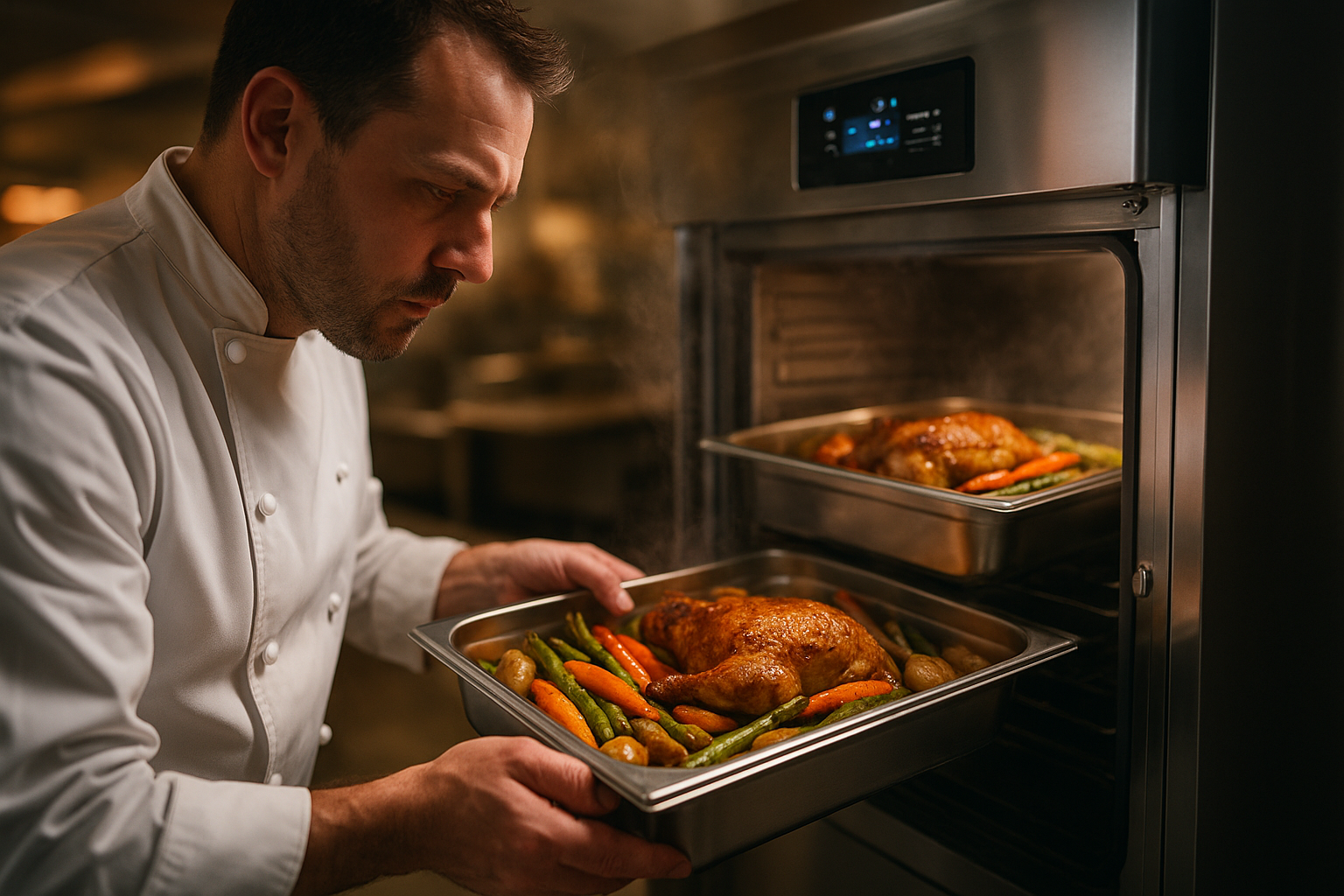
In high‑volume service, freshness, safety, and speed are non‑negotiable. A blast chiller—engineered to rapidly reduce food temperature—helps kitchens serve better food, comply with standards, and operate with fewer delays. It’s not just a piece of equipment; it’s the backbone of modern, scalable kitchen workflows.
What a blast chiller does in practice
A Blast chiller quickly brings cooked food from hot holding to safe storage temperatures, protecting texture and flavor while minimizing bacterial growth during the critical cool‑down window. By controlling airflow, humidity, and temperature in short cycles, it preserves surface integrity, stops carryover cooking, and stabilizes product quality for later service.
- Rapid temperature drop: Cools from cook temps to safe storage thresholds in a tightly controlled timeframe.
- Quality preservation: Maintains crispness, color, and moisture—no sogginess or graininess from slow cooling.
- Menu flexibility: Enables cook‑chill production, batch prep, and consistent plating across services.
- Shelf‑life extension: Reduces oxidation and microbiological risk for safer, longer storage.
Safety, quality, and compliance in one move
Food spends less time in the temperature danger zone, reducing risk and tightening compliance with HACCP‑aligned cooling guidelines. The result is cleaner audits, fewer incidents, and confidence that your process consistently protects guests and the brand.
- Food safety assurance: Limits rapid bacterial multiplication during cool‑down.
- Regulatory confidence: Supports documented cooling logs and standard operating procedures.
- Brand protection: Consistency on plate keeps reputation solid—quality isn’t left to chance.
Operational efficiency and cost outcomes
Blast chilling compresses prep timelines and smooths service peaks, letting teams batch‑produce without sacrificing quality. The downstream impact is tangible: faster turnarounds, tighter inventory control, and less waste.
- Throughput gains: More product prepped ahead, less congestion on the line.
- Labor optimization: Team focuses on plating and service instead of waiting on cool‑down.
- Waste reduction: Better shelf life and quality means fewer throw‑aways.
- Financial rationale: Savings from waste, rework, and audit risk contribute to ROI.
Pros and cons
| Benefit | Trade‑off |
|---|---|
| HACCP‑aligned rapid cooling | Higher upfront cost |
| Preserves flavor, texture, and color | Requires floor space and ventilation |
| Cuts waste; extends shelf life | Staff training and SOP updates |
| Streamlines batch prep and service peaks | Preventive maintenance scheduling |
| Improves audit readiness and documentation | Energy usage considerations |
This table summarizes standard operational considerations for commercial blast chilling.
Why it’s a smart move now
- Risk and reliability: Rapid cooling reduces the highest‑risk window in food production, making compliance consistent and auditable.
- Guest experience: Dishes taste as good at 7 p.m. as they did at 3 p.m. when they were cooked—texture and aroma intact.
- Scalable operations: Cook‑chill unlocks batch prep, steady plating, and menu expansion without adding chaos.
- Cost discipline: Better shelf life and fewer rejects compound into real savings over months, not just days.
How to choose the right blast chiller
Capacity
Match tray count and kg per cycle to peak production, not average.
Cooling performance
Verify time‑to‑target for both soft chill and hard chill cycles.
Controls and logging
Look for programmable cycles, core probe integration, and exportable cooling records.
Hygiene design
Rounded interiors, easy‑clean gaskets, and anti‑corrosion materials.
Footprint and power
Confirm clearance, ventilation, and electrical load for your kitchen layout.
Service network
Prioritize models with local support, parts availability, and preventive maintenance plans.
Make it work on day one
- Standardize SOPs: Document cooling steps, probe targets, and labeling.
- Train for consistency: Short staff sessions on loading patterns, cycle selection, and record‑keeping.
- Integrate menu planning: Identify items best suited for cook‑chill (sauces, braises, proteins, pastries).
- Track outcomes: Monitor waste, reheat quality, and audit findings to quantify ROI.
If freshness, reliability, and smoother service matter to you, a blast chiller is the shortest path to all three. Upgrade your production flow, protect your brand, and turn consistency into profit—starting now. Cook → Chill: 90 min